


Maternal mental health challenges often show up in quiet, unexpected ways. You might feel anxious during pregnancy, disconnected after birth, overwhelmed by intrusive thoughts, or unsure how to bond with your baby. Maybe your birth experience was traumatic, or you’re grieving a loss no one talks about. These moments can leave you feeling isolated, ashamed, or like you’re failing — even when you’re doing everything you can.
Maybe it's not "just the baby blues."
Symptoms of Postpartum Depression & Anxiety

They’re signs that your nervous system is overwhelmed, not that you’re failing as a parent.
Prenatal & Postpartum Depression
- Persistent sadness or frequent crying
- Irritability or emotional numbness
- Difficulty concentrating or making decisions
- Loss of interest in things you would normally enjoy
- Sleep Difficulties (not related to baby's needs)
- Feelings of guilt, shame, or worthlessness
- Feeling ambivalent, detached or resentful of your pregnancy and/or baby
- Feelings of dread about birth or parenting
- Avoiding or struggling to care for your baby
- Thoughts of harming yourself or your baby
Prenatal & Postpartum Anxiety
- Constant worry or racing thoughts
- Hyper-fixation on baby's needs
- Fear of being separated from your baby
- Intense fear something bad may happen to your baby
- Fear or refusal to let others care for your baby
- Trouble sleeping despite exhaustion
- Irritability, restlessness, or inability to relax
- Difficulty concentrating or feeling “on edge”
- (Prenatal) Intense anxiety or fear of birth or medical procedures

From Doula to Therapist - Why I do this work
My passion for supporting moms with a history of traumatic childbirth is what led me to become a therapist.
Yes, witnessing babies being born was incredible — but it was the look on a mother’s face as she birthed her baby, realizing her own strength and learning to trust her body again, that’s what inspired me most. I lived for those moments. I could do that part all day — so I did.
Now, I specialize in birth trauma and perinatal mental health, helping mothers heal emotionally, reconnect with their bodies, and rediscover their power.
Is it Postpartum Depression?
Or is it Postpartum PTSD?
When new parents struggle emotionally after birth, the default assumption is often postpartum depression or anxiety. But for many, the deeper issue is trauma — especially after a difficult or distressing or unexpected birth. Postpartum PTSD can look a lot like depression or anxiety, which means it’s often missed, even by providers who care deeply.
You might be prescribed medication or told to “get more sleep,” while the trauma itself goes unrecognized. If you’re having flashbacks, nightmares, intrusive thoughts, or avoiding reminders of your birth experience, it may be more than PPD. It may be postpartum PTSD. And you deserve care that sees the full picture.
In fact, over 30% of new mothers report feeling traumatized during childbirth, and 1 in 5 report mistreatment during their birth experience. Yet childbirth trauma remains one of the most unrecognized and untreated maternal mental health issues.
Maternal mental health conditions, are the most common complication of pregnancy and birth — and they’re often untreated.
You’re not alone. I’m here to help.

1 in 5 mothers experience mental health complications after childbirth. That’s 800,000 families each year.

75% of those mothers go untreated, increasing the risk of long-term impacts on mothers, babies, and families.
22%
22% of maternal deaths are linked to mental health conditions – making them a leading cause of pregnancy-related deaths
Clients Say
I felt so broken after the birth of my son. Angela’s knowledge of both childbirth and mental health helped me feel like someone finally, truly understood me.
A.R.
Client, 2022
From the Blog


What about Dad?
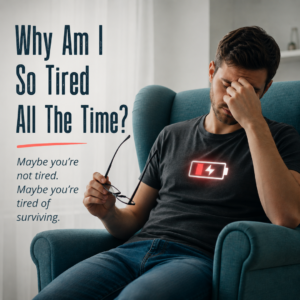
While maternal mental health often takes center stage, fathers can also experience depression, anxiety, and trauma after the birth of a child. In fact, 1 in 10 dads experience postpartum depression — though it often goes unnoticed. Symptoms may include irritability, withdrawal, changes in sleep or appetite, and feelings of hopelessness.
If you’re a dad struggling with your mental health, know that you’re not alone. Support is available — and you deserve care too.


