When people think about ‘human development,’ they picture babies, toddlers, maybe teenagers — and then the story stops.
Human development doesn’t end at 18 — your brain isn’t fully cooked until 25.
We’re not doing Erikson’s stages — we’re doing real life. No jargon. No charts.
Every decade has a job — a purpose that shapes how we see ourselves move through the world.
Infancy (0–1): I’m just trying to survive here, people.
Infancy is the stage everyone romanticizes — soft cheeks, tiny socks, that new‑baby smell. Then the focus shifts to tummy time, rolling over, crawling, walking, and first words.
But infancy is really about one thing. Survival.
They can’t feed or dress themselves.
They can’t roll over without looking like they’re locked in an epic battle with gravity.
They can’t tell you the tag on the back of their onesie feels like sandpaper.
And even though they can Houdini their way out of a swaddle, they can’t scratch their own itch.
So what do they do? They cry.
That’s the whole communication system.
Crying is how they say:
- “I’m hungry.”
- “I’m cold.”
- “I’m lonely.”
- “My tummy hurts.”
- “My sock is…unacceptable”
- “Something is wrong and I need you to fix it.”
Infancy isn’t about manipulation or “spoiling.” It’s about survival.
Infancy is where humans collect the most important data of their life — the foundation for everything that comes after it. And it all comes down to one question:
“When I need help, does someone come?”
That’s attachment. Not the Pinterest version — the nervous‑system version.
Not because babies are fragile — because they’re learning the most primal human truth: “I can’t survive alone. I need people.”
And when someone consistently responds, comforts, feeds, holds, and helps?
The baby’s brain learns:
I am loved.
People show up.
My needs are met.
I am safe.
Survival, safety, and trust.
That’s it.
That’s the whole job.
Toddlerhood (2–3): Autonomy — “I do it myself!”

If infancy is about dependency for survival, toddlerhood is about independence — tiny, wobbly, irrational sovereignty. It’s the era of big feelings and even bigger opinions. You love “mama” and “dada,” but “NO!” is their favorite.
They insist on doing everything themselves:
- Putting on shoes (wrong feet, every time)
- Pouring their own milk (mayhem)
- Buckling their car seat (you will not be leaving the driveway for 17 minutes)
- Zipping their jacket (epic meltdown in 5…4…3…2…1…)
And may the force be with you if you try to help.
Because this stage is all about self-efficacy. Toddlers are learning:
- I can try things.
- I can fail and try again.
- I can make things happen.
- I can help.
- My opinions and wants matter.
- I matter.
This stage is the building blocks of self-confidence — the belief that “I can do hard things,” even if the “hard thing” is putting on an uncooperative sock.
And yes, they melt down. A lot.
Because their desire for independence is huge, but their actual skills can’t back it up.
Their emotions are massive, but their vocabulary is… not.
Their frustration tolerance is microscopic.
So they scream.
They flop.
They go boneless in Target.
They cry because you cut their sandwich “wrong.”
Underneath the chaos is something important: They’re practicing being a person.
They’re learning:
- autonomy
- persistence
- problem‑solving
- emotional expression
- early identity
Toddlerhood is where we start raising competent adults — not by doing everything for them, but by letting them try, fail, try again, and feel proud when they finally get it. And knowing they are still loved, even when things aren’t perfect.
Parents, let’s be real — it’s messy, loud, and utterly exhausting.
And it’s just the warm‑up act for the teenage years, when they’ll do it again with a bigger vocabulary and more attitude.
Elementary School (4–10): The wild, wild west

Welcome to elementary school — where development stops being cute and starts getting complicated.
This is the stage where kids are suddenly expected to be people with skills, responsibilities, friends, emotional regulation, and the ability to remember where they put their shoes. (Spoiler: They cannot.)
So much happens in this stage that it’s almost unfair.
Kids are learning how to learn, follow rules (and break them), make friends (and lose them), handle success and disappointment, and exist in a world that suddenly expects things from them. It’s the first time life starts handing out grades, teams, groups, roles, and labels — and kids absorb all of it.
The Rough Draft of Identity
The elementary years are the rough draft of who they might become. It’s messy, full of crossed-out lines, and half-formed beliefs about themselves.
- “I’m good at this.”
- “I’m bad at that.”
- “People like me.”
- “People don’t.”
- “I’m the funny one.”
- “I’m the helper.”
- “I’m the perfect one.”
- “I’m the screw up.”
These aren’t permanent identities — they’re sticky notes kids use while figuring out where they fit. Some fall off quickly. Some stick for years.
Emotional Development: The Everyday Messiness of Being Human
Emotionally, kids start learning how to handle the everyday messiness of being human.
They get frustrated. They get embarrassed. They start caring about tangible things — fashion, sports, academics, and friendships. Disappointment feels bigger, and so do their reactions. And (hopefully) meaningful communication and conflict resolution skills start to develop.
Social Development: The Rules of the Road
Socially, this is where things get… interesting.
This is when kids start learning the unwritten social rules of the road — and they matter. A lot. (Yes, even in kindergarten.) They become aware of who’s fast, who’s smart, who’s popular, who’s “weird,” who gets invited, and who doesn’t. It’s the beginning of comparison, social positioning, and self‑awareness — the warm-up act for the middle school circus that’s coming next.
(Fun Fact: Social drama doesn’t wait middle school.)
Let’s talk about 8-9 — because it’s… weird. For everyone.
At home, 8–9 is awkward. They’re not little kids, but not tweens either. They want independence, but they also want the comfort and safety of mom and dad when that independence gets overwhelming.
At school, things shift from “learning to read” to “reading to learn.” And learning becomes less hands-on, and more abstract. Expectations get bigger. Concepts get harder. And kids are expected to keep up — even when their brains are still catching up.
This is also where actual grades start happening. Numbers or letters — their value starts feeling quantitative, and they feel it.
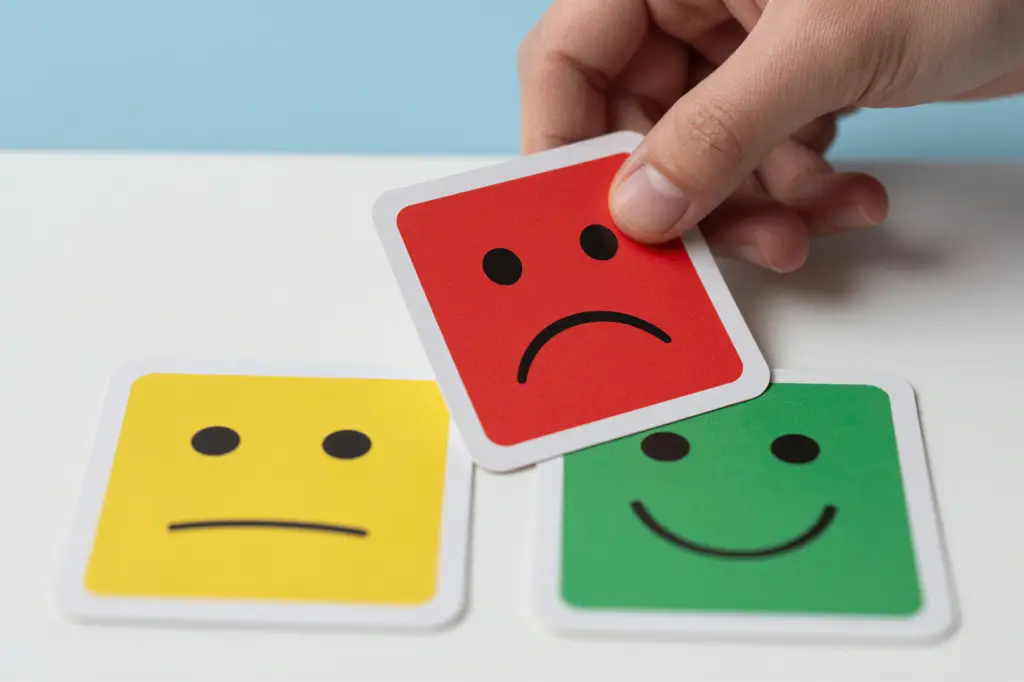
Color Cards
These systems use colors — green for good behavior, yellow for a warning, red for a consequence. The intention is to help kids monitor their actions.
But the actual consequence?
It’s much bigger than a red card.
Color cards shift the classroom priority from learning to compliance. And because they’re usually displayed publicly, every child in the room knows who is “good” and who is “bad.” Simple mistakes become anxiety, fear of authority and judgment, social isolation, and developmentally normal impulse‑control issues become shame.
…all with the turn of a card.
If your school uses color cards, please read (and share) “Tear Down Your Behavior Chart!” by the Association for Supervision and Curriculum Development.
The Big Picture
The elementary school is the era of:
- big developmental leaps
- big social experiments
- big feelings
- big questions
- big growth
It sets the stage for everything that comes next — especially the identity storms of middle school and high school.
Welcome to the wild, wild, west!
Middle School (11–13): The Hunger Games of Childhood
Welcome to middle school — where childhood innocence packs its bags, hormones move in, and every hallway feels like the Hunger Games.
This is the age where kids become painfully aware of themselves.
And everyone else.
And what everyone else thinks about them.
And what they think everyone else thinks about them.
(Which is usually wrong, but try telling them that.)
Middle schoolers have the emotional stability of a shaken soda. One wrong look and psssshhhht — explosion.
The Emotional Rollercoaster
They can go from laughing to crying to slamming a door to asking what’s for dinner to telling you they hate you to needing a hug — all in 12 minutes.
Why?
Because their brains, hormones, and identity are all under construction, and they have no idea what is happening or why they feel this way.
They’re not being dramatic (okay, maybe a little) — they’re confused and overwhelmed.
Pro‑tip for parents: Empathy fixes almost everything.
The Comparison Games Begin
If elementary school was the rough draft of identity, middle school is the first round of edits — and the editor is a hormonal 12‑year‑old who thinks everyone is staring at them.
This is where comparison becomes a full‑time job:
- Who’s cool? Who’s cringe?
- Who has a phone? Who has a better phone?
- Who’s friends with whom?
- Who’s “dating” whom? (Yikes!)
- Who got invited?
- Who’s the social leper of the week?
Everything is a ranking system — and it feels personal and high stakes. .
And developmentally? They’re supposed to be:
- hyper‑focused on themselves
- obsessed with peer approval
- convinced everyone is watching
- deeply sensitive to embarrassment
And… they’re not wrong. The human brain is wired to scan for belonging, status, and social cues.
Neurologically, humans are social animals. Belonging is necessary for survival. With high school and adulthood in sight, social networking — the real kind, not the app — is how you survive.
Middle schoolers can be wildly self‑centered — not because they’re selfish, but because they’re trying to survive… middle school-style.

Dress Codes & Early Rape Culture
Middle school is also when girls start getting sexualized. And not by boys — by the adults around them. Dress codes shift from safety to sexuality: No leggings, spaghetti straps, bra straps, midriff, or shorts above your fingertips. Meanwhile, boys’ dress codes are basically “please wear a shirt.”
The message is loud and clear: girls are responsible for managing boys’ thoughts and impulses.
That’s not “preparing them for the real world.”
That’s early conditioning for rape culture.
The Big Picture
Middle school is the F-5 tornado of:
- identity formation
- comparison
- belonging
- insecurity
- hormones
- social chaos
- emotional intensity
It’s the Hunger Games of childhood — dramatic, unpredictable, and occasionally terrifying — but it’s also the bridge between the simplicity of childhood and the individuation of high school.
It’s loud, rude, smelly, and allergic to parental advice.
But it’s developmentally required.
Parents — May the odds be ever in your favor.
High School (14–18): Individuation — The Existential Crisis Olympics

Welcome to high school — where teens believe they’re fully grown adults… until they need money, food, emotional support, a ride, or someone to explain car insurance after their first fender bender.
This is the era of individuation — the psychological process of becoming an autonomous adult.
High school is where identity stops being a rough draft and becomes a manuscript — dramatic, overwritten, full of plot twists, occasionally set on fire.
The Identity Crisis Years
Teenagers are asking the big questions:
Who am I?
Who do I want to be?
What do I believe?
What matters to me?
What do I stand for?
Who are my “people”?
What does my future look like?
And they’re asking all this with a brain still under construction. Their prefrontal cortex — the part responsible for planning, impulse control, long‑term thinking — is still cooking.
They want independence.
They need you for basically everything.
Both are true.
The Push-Pull With Parents
High schoolers feel everything with a depth that surprises even them. One minute they’re debating philosophy or comforting a friend, the next they’re melting down because someone ate their leftover burrito. They’re capable of profound insight and breathtaking impulsivity — often within the same hour.
They’re walking contradictions: confident and insecure, independent and needy, mature and impulsive, idealistic and cynical.
They want space and connection. Freedom and structure. To be left alone — and noticed.
It’s not hypocrisy — it’s development.
This is individuation in real time.
And nowhere is this more obvious than in how they relate to their parents.
High school is “Don’t tell me what to do” colliding with “Why didn’t you wake me up?” and
“I’m basically an adult” living beside “Can you make my dentist appointment?”
They want autonomy, but they also want a safety net.
They want to be seen as adults and cared for like kids.
This ambivalence isn’t a character flaw — it’s the whole point. They’re practicing adulthood with training wheels, wobbling between dependence and independence.
The Social World: The Center of the Universe
By high school, peers become the gravitational center of their universe. It’s not rebellion — it’s neurology. Even more than in middle school, belonging is survival at this age, and the teenage brain treats social acceptance like oxygen.
Friendships deepen as they search for the people who “get” them and make them feel seen. Romantic relationships arrive with the intensity of a Shakespearean tragedy in a Target parking lot. These relationships become the early architecture of adult connection.
The social intensity — combined with a not‑quite‑fully‑baked prefrontal cortex — is a recipe for driving too fast, staying out too late, falling in love with someone they met eleven days ago, dyeing their hair at midnight, and making choices with the confidence of a feral raccoon.
It’s not personal — it’s neurological and normal.
And it’s amplified by the simple fact that nothing feels more important than what their friends think.
The Future Looms Large
High school is when the future stops being abstract and starts feeling like a countdown. College, careers, money, life skills, identity, purpose — it’s a lot. And teens cope with that pressure in wildly different ways. Some avoid decisions. Some procrastinate. Some shut down. Some overachieve. Some pretend not to care.
But underneath the bravado, apathy, panic, or perfectionism, they care deeply. They’re terrified of messing up their life before it even starts. They want to get it right — even when they act like none of it matters.
The Big Picture
High school is the era of individuation — the exhaustingly intense process of becoming an actual adult.
The Roaring 20s: The Tutorial Level of Adulthood

Welcome to your 20s — the decade where you’re technically an adult but still Googling ‘how long can chicken stay in the fridge’ while eating cereal out of a mixing bowl at 11:47 p.m.
Remember when you thought (and probably said out loud), “I can’t wait until I’m an adult so I can do anything I want.” Yeah… this is where you realize adulthood is overrated, you do less of what you want, and adulting is mostly just… chores, bills, and errands.
Plot twist: There’s no “right” way to do life after high school.
Once upon a time, the script was simple: graduate, go to college, build a career, get married, have kids, buy a house with a mortgage that didn’t require a second job and a blood sacrifice.
Yeah… it doesn’t work like that anymore. There are many versions of early adulthood now.
Some people head to college.
Some go to trade school.
Some jump straight into work.
Some stay home because $1,800 for a studio apartment is a hate crime.
Some move out and then boomerang back when rent punches them in the throat.
Whether life after high school looks like you imagined or not, every version is valid. Every version counts as adulthood.
The 20s aren’t about where you live or where you work — they’re about the shift from “someone else is in charge” to “Oh… it’s me. I’m in charge now.”
And that shift is very messy.
“I Get Paid Friday and I’m Broke by Monday”
The 20s are financially cursed. You’re expected to be independent while being paid like a Victorian chimney sweep. No one taught you how taxes, insurance, or retirement work. And you’re still developing the part of the brain that says a $13 burrito isn’t a good investment plan.
Some days you feel like a real adult — competent, confident, and capable.
Other days you melt down because you hit a pothole the size of a shallow grave, blew a tire, and now you’re sitting on the curb doing rent math.
This isn’t irresponsibility — it’s a systemic setup plus developmental reality.
You’re learning how to manage money at the exact same time you’re learning how to manage yourself.
The struggle is real, and both are exactly what your 20s are supposed to look like.
“What do I want to be when I grow up?”
Your 20s aren’t about finding your ‘forever job.’ They’re about trying on jobs, roles, industries, identities — and seeing what fits. Some things you’ll love. Some things you’ll hate. Some things you’ll tolerate until your next paycheck. And some things you’ll rage-quit halfway through lunch because you’d rather eat drywall than do this forever.
Your 20s are full of pivots — and a job market that’s a dumpster fire rolling straight toward your bank account.
You try something.
You learn from it. (Mostly that you hate it.)
You pivot.
You try something else. (Nope.)
You pivot again.
You try something else. (Absolutely not.)
You pivot a third time, but with more panic and better shoes.
This isn’t failure — it’s data collection.
You’re literally trying to figure out who you want to be when you actually grow up. It’s a decade of career curiosity — and financial survival.
Relationships: Learning (and un-learning) How to Love
Speaking of data collection — that goes for relationships, too.
Your 20s are where you learn what you want, what you don’t want, what you were taught to tolerate, and what you will no longer tolerate in relationships. You’re learning to communicate like an adult while still having the emotional reflexes of someone who spent the last decade surviving adolescence.
Friendships shift. Some deepen. Some drift. Some explode in a spectacular fireball of high‑school‑level girl drama. Some relationships quietly fade because you’re growing and they’re not — or vice versa.
And romantic relationships? Oh, buckle up.
Romantic relationships intensify. Attachment patterns show up wearing neon signs. And your parents’ relationship patterns — the ones you swore you’d never repeat — start showing up like your nervous system is running a casting call for “Who can recreate my childhood the fastest?”
Dating in your 20s is a rotating cast of:
- people who want a relationship — but aren’t ready for one
- people who are ready for a relationship, but don’t want one
- people who want to “see where things go” (translation: nowhere)
- people who love‑bomb you — then vanish
- people who seem perfect until you realize they’re emotionally unavailable
Many people — about half —get married in their 20s. Some start families, and build a life together. And some get married because they missed the neon signs of attachment issues and will spend their 30s figuring out what that means.
Hope, Panic, and Everything In Between
Your 20s are a cocktail of excitement, fear, freedom, exhaustion, and wondering if you’ll ever feel like a real adult. You’re building a life from scratch.
It’s a decade of emotional awareness — noticing your patterns, understanding your triggers, learning your needs, and slowly building the skills to regulate instead of react. And that takes time, energy, and a level of emotional resilience no one warned you about.
You’re learning life with a nervous system still wiring itself for regulation, long‑term thinking, impulse control, and self‑soothing. You’re trying to make adult decisions with a brain that’s still installing the software for adulthood.
No wonder you’re one dropped burrito from an existential crisis.
Fun fact: Adolescence spans from ages 10 to 25. So your brain isn’t done cooking until halfway through your 20s.
You’re not broken, behind, or failing at adulthood.
You’re doing the hardest emotional work of your life.
You’re not supposed to have it figured out.
The 30s: Settling In — “This is who I am.”

Your 20s built a life from scratch. Your 30s edit that life — keeping what works, deleting what doesn’t, and realizing half the things you thought mattered… don’t. You’re still growing, still learning, still evolving — but now with a fully cooked brain and a sense of self that doesn’t wobble every time someone else has an opinion.
Your 30s aren’t the decade of ‘having it all together.’ They’re the decade of knowing yourself well enough to stop pretending you do.
The brain is fully developed.
Identity stabilizes.
Life becomes more structured.
Career: You’re Settled In (Mostly)
Your 20s were about trying things on. Your 30s are about wearing something for more than six months.
And unlike your 20s, you’re no longer melting down over a dropped burrito or Googling ‘jobs that pay well and require zero skills’ at 2 a.m.
You may or may not be in your ‘forever job,’ but your career stops feeling like a scavenger hunt and more like a path — not always straight, but walked with purpose instead of panic. And you probably have a bit more money in your bank account. And maybe even dental.
You’ve upgraded from chaotic scrambling to functional adulting.
Mostly.
Marriage, Kids, and Big Life Decisions
Your 20s sorted people, patterns, boundaries, and yourself. .
Your 30s refine — choosing who actually stays
Friendships shift again, but in a different way.
By this point, many of your friends have taken different life paths:
Some chase degrees.
Some climb the corporate ladder.
Some marry.
Some are divorced already.
Some have kids.
Some decide not to.
Some realize they married the wrong person.
Some realize that they are the wrong person and have some healing to do.
And everywhere in between.
Your circle gets smaller, but connections get deeper. You’re busy, tired, working, parenting, healing, and… actual adulting.
Romantic relationships become less about intensity and more about consistency.
Less “Do they like me?” and more “Do they respect me, communicate well, and are reasonably emotionally stable?”
You’re not chasing potential, ignoring red flags, or dating people who think “working on themselves” means listening to a podcast.
And if you are, you’re probably realizing you have some healing to do.
If you’re partnered, this is where the real relationship work begins — communication, division of labor, emotional maturity, shared goals, and never-ending negotiation about whose turn it is to unload the dishwasher.
If you have kids, your relationship becomes a tag‑team sport and your life becomes a crash course in patience, identity shifts, sleep deprivation, and Googling ‘is this normal?’ at 2 a.m.
(Yes, it is. Probably.)
Either way, your 30s relationships are about building something real — something stable, something reciprocal, something that doesn’t implode because someone “left you on read.”
Your Feelings Finally Grow Up
Your 20s were emotional turbulence. Your 30s are emotional navigation.
You’re still human. You still have feelings. You still get overwhelmed. But you’re not getting emotionally yeeted across the room by every inconvenience anymore. You respond instead of react. You pause before spiraling. You know your patterns, your triggers, your needs — and you actually do something about them.
You’re not calmer because life got easier. If anything life has gotten more complicated — marriage, kids, and career.
You’re calmer because you’ve changed. You’re like… a real adult now!
Your nervous system isn’t in adolescence anymore. Your prefrontal cortex has been online for half a decade, and you’ve realized:
- Rage-quitting doesn’t pay the bills.
- Not everything is personal.
- “No” is a complete sentence.
- Feelings are… acceptable.
- Sometimes you’re your own worst enemy.
Your 30s are where you finally have the emotional regulation tools your 20s were desperately begging for. Emotional maturity stops being a concept and starts being a skill you can actually do.
You’re not perfect.
You’re not unshakeable.
You’re not immune to stress.
And that’s okay.
But you’re no longer one dropped burrito away from an existential crisis.
That part feels really nice.
Body Changes: The 25‑Year Warranty Is Over
Your body peaked in your 20s.
Your early 30s pretend they’re fine.
Somewhere in your mid-30s, your body is gently tapping you on the shoulder to say, “Hey… just so you know… we’re not doing that anymore.”
By your mid-30s:
- You pull a muscle sneezing
- Your metabolism files for early retirement
- Hangovers are reserved for non-school nights
- Your lower back has opinions
- Your knees sound like bubble wrap
- You don’t “bounce back.” You admit that robotic vacuums are magical.
And if you’ve been pregnant? You realize that those “temporary” pregnancy changes were actually permanent hardware updates.
By your late 30s, the shift becomes undeniable. You may start noticing that:
- You can’t eat past 8pm without your esophagus talking back like a teenager
- You keep a heating pad in your nightstand
- You now have a favorite vitamin
You might be asking yourself, “What has happened to my life?”
You’re 30-something.
That’s what happened.
So you acknowledge that your body is… past its prime. You start accepting that your body is no longer a machine you can run into the ground, but a relationship you actually have to maintain.
It’s humbling.
It’s annoying.
It’s also kind of grounding.
Your body isn’t betraying you — it’s asking for the care you didn’t give it in your 20s.
Your 40s: Your 20s, But With Boundaries and a Mortgage

Your 40s are a strange, but beautiful, decade. Things finally click into place — not because life gets easier, but because you’ve lived enough life to know what’s worth your energy and what falls under “absolutely not.”
Weirdly, your 40s feel like your 20s came back for a sequel.
You are:
- reclaiming your identity
- maybe going to back college
- changing jobs or career paths
- deepening friendships
- evolving intimate relationships
It’s your 20s revisited — except now you have a fully developed prefrontal cortex and a mortgage.
That prefrontal cortex — plus some hard life lessons — makes you more confident, self‑aware, and allergic to nonsense.
- You don’t need everyone to like you — which leaves room for your relationships to deepen
- Your tolerance shrinks — boundaries increase, and chaos no longer gets access
- You care deeply — but you don’t chase people or validation
- You invest intentionally — productivity no longer equals worth
- You choose peace — you don’t pretend to be okay when you’re not
And the best part: you finally trust yourself.
Your 40s are when you stop auditioning for your own life and start living it. For many, it’s a time of alignment. You know who you are, what you value, and you finally have the confidence to make your outsides match your insides.
Careers, Family, & Kids
Remember middle and high school timelines? Welcome back — except now you don’t care who’s watching.
Some people had kids young — and now have teens or 20‑somethings.
Some people had kids later — and are touring preschools while their peers are touring colleges.
A few may even have grandkids.
Some people never had kids and are traveling or building careers
Some are doing both.
Some have married, had kids, divorced, remarried, and are on their second career.
Some people are burning it all down and starting over.
If your kids are older, you have more freedom. No one needs their sandwich cut ‘right,” you’re no longer an unpaid Uber driver, and Target is no longer a ‘mom‑cation.’
You can focus your time and energy on yourself and your relationships.
Your 40s are when you realize everyone is on their own timeline, and none of them are wrong.
The Body Files Formal Complaints
Your 30s whispered, “We’re not doing that anymore.”
Your 40s are filing formal complaints.
You start noticing:
- You can injure yourself by sleeping wrong
- You need recovery time after… everything
- Your back still has opinions, and your knees warrant a noise complaint
- You now own multiple heating pads and have preferences
- The “freshman 15” is now the “40s forty.”
- Your favorite vitamin now needs “extra calcium.”
Your body isn’t betraying you — it’s just asking for some extra care — and telling you that your 30’s were just the warm up for what is to come.
Welcome to 50: Puberty 2.0
Full Disclosure: This section is female‑heavy because… well, I’m 50-something and menopause is loud, dramatic, and currently tap‑dancing across my endocrine system. So that’s where we’re starting. But don’t worry, gentlemen — you have your own version of menopause…
For women, your 50s arrive like a hormonal plot twist no one warned you about. One day you’re cruising along, feeling wiser and calmer… and the next your body flips a switch: “Let’s do puberty again, but this time… with hot flashes!’
Your hormones behave like a middle‑school science experiment. Your skin has an attitude. Your hair changes texture and thinks your chin is the new hangout. You’re back to crying over a dropped burrito and taking cold showers at 3:17 a.m. because your internal thermostat is competing with the sun.
Your 40’s were like your 20s.
Your 50’s are like… your TEENS.
Do you feel like you’re going a little backwards here?
You basically are — your hormones are reversing everything they did in puberty. But this time, instead of caring about everything, you have a fully developed prefrontal cortex, and you’ve joined the “We Do Not Care Club.” (Ladies, if you don’t know what the WDNC Club is, you need to check it out.)
You choose clothes for comfort.
You say “no” without explaining.
You protect your energy.
You choose peace.
It’s a deeply liberating, soul‑level, “I’m too old for nonsense” realization.
Your body may be doing puberty backwards — but your mind? Your mind is finally free.
And gentlemen… you’re not coasting through your 50s either.
Women get menopause — loud, dramatic, and impossible to ignore.
Men get andropause. (No, I didn’t make that up.) It’s quieter, slower, and sneakier, but it’s definitely happening.
While women’s estrogen is going skydiving without a parachute, men’s testosterone quietly packs its bags. Your hairline starts retreating like it’s reenacting a historical battle, and your best soldier doesn’t always show up at the front line.
Like women, men start shifting emotionally too — but on a different timeline.
Women did their big identity reconciliation in their 40s. Men tend to do it in their 50s. You:
- ask deeper questions about meaning, legacy, and who you are outside of work.
- shift focus from achievement to meaning.
- simplify priorities.
- soften, reflect, and become more self‑aware.
- give more grace, and own your mistakes — even in retrospect.
And while women are joining the We Do Not Care Club, men are entering the Wait… What Actually Matters? era.
Both are valid, human, midlife transformations.
And yes — men get to do all of this without hot flashes.
Which, if you ask any woman in her 50s, is deeply unfair.
Ladies and Gentlemen
There are some things everyone’s bodies agree on.
You understand why your grandparents refused to drive after sunset
Your metabolism has filed for retirement.
Trying to stand up sounds a bit like constipation.
Your back and knees have formed a union.
Your heating pad has become part of your bedding.
Your doctor starts sentences with “At your age…” (which, frankly, is just rude.)
Bedtime is now 9pm.
Going to Target and Costco on the same day gives you a body hangover — and you didn’t even get to drink.
Oh… and your entire body sounds like a box of Rice Krispies.
Snap. Crackle. Pop.
Everywhere.
All the time.
Aging.
It’s not just physical.
It’s audible.
And it’s rude.
The Anti‑Hustle Era: Peace Over Prestige

You’ve spent three decades proving yourself — hustling, grinding, and pretending ‘work‑life balance’ was real.
But now?
Now you’re tired.
Not in a defeated way — in a wise way.
You’ve lived enough life to know that time is valuable, energy is finite, and sanity is non‑negotiable. You know your worth — and you’re not taking coupons.
You no longer tolerate:
- chaos disguised as a “fast‑paced environment”
- bosses who communicate exclusively through passive‑aggressive emails
- jobs that expect you to be grateful for burnout
- workplaces that think “pizza party” is an appropriate response to systemic dysfunction
And somewhere along the line, life insurance and 401k stop being theoretical. Your body is filing complaints with HR, and “rent math” has officially become retirement math.
But here’s the plot twist: You’re actually better at your job now.
You’re sharper, calmer, more strategic.
You don’t panic or crumble like a dropped burrito.
You’ve become the person younger coworkers come to for advice — not because you have all the answers, but because you have perspective.
(And sometimes their half-baked prefrontal cortex makes you think, “Really?!”)
You know what matters and what doesn’t.
Titles matter less and peace matters more.
You know what’s worth fighting for, and when to simply say, “Nope,” and walk away.
Instead of asking, “What should I do next?” you ask yourself, “What do I actually want?”
And for the first time in your career… you answer honestly.
Parenting: The Multiverse Edition
By your 50s, parenting becomes a multiverse.
Some are packing elementary school lunches.
Some are reminding hormonal 13‑year‑olds that deodorant is a real thing.
Some are launching what they hope are semi-functional adults.
Some are supporting their 20‑somethings through dropped‑burrito moments.
And some are attending bridal or baby showers… for their own kids — which is both joyful and deeply disorienting.
No matter which timeline you’re on, one thing is clear: Your kids are growing up. Fast.
If you had kids in your early 40s, you might be whispering “I am too old for this” into the void while you attend elementary school events surrounded by parents who are still young enough to metabolize gluten.
If you had kids during your 30s, you’re watching them build lives, careers, families, and identities — and trying to figure out how to parent chronological adults whose prefrontal cortex may or may not be done cooking yet. The boundaries get weird as you try to figure out mutual independence. They still need you — just differently.
If you had kids in your 20s, or have grandkids, you may feel a little vindicated as they realize that the sandwich incident of 2003 wasn’t the betrayal they thought it was — and maybe a little regretful as you notice some intergenerational patterns have continued despite your best efforts.
Love, Loss, and Letting Go
Empty Nesting & Gray Divorce
For many, the 50s is the era of empty nesting — that strange, echoing quiet where you suddenly realize the house is clean, the laundry is manageable, and no one is asking what’s for dinner.
It’s peaceful.
It’s sad.
It’s emotional whiplash.
There’s also a freedom that comes when the kids are grown and flown. You and your partner have more time and space to reconnect, travel, maybe downsize the house.
Or…
You sit at a quiet table for two and realize you don’t know each other anymore. While you’ve been focused on careers and kids, you both grew — differently. Neither of you are the same person you married.
While the average age for divorce peaks in the early 40s, there’s another spike — the “gray divorce.”
One‑third of divorces happen in a person’s 50s.
Friends & Witnesses

Your circle is small, but whether you’re watching each other’s kids graduate or get married, you’ve seen a lot together.
For some, they’ve been around longer than your partner has. You’ve grown up together, found your identities together, seen each other get get married and helped each other raise kids. They’ve supported you through career changes, and maybe even divorce.
Now you’re dong menopause together.
Your friends have become the witnesses to your life.
Facing Mortality
By your late 50s, something else begins to happen.
People start to die.
Parents.
Friends.
Maybe a spouse.
Not often. But enough that you become acutely aware that time is finite, and the people you love are not guaranteed.
It’s sobering.
It’s the kind of awareness that changes how you show up in your relationships — as a friend, as a partner, and as a parent.
Your concept of time is no longer about school, work, or soccer practice. It’s about not wasting it on things that drain you.
Your 20s were about figuring out who you were.
Your 30s were about holding it all together.
Your 40s were about alignment and boundaries.
Your 50s are about liberation.
Welcome to the We Do Not Care Club.
The 60s, 70s & Beyond: Wisdom, Legacy & Interdependence

The 60s are less complicated — and more consequential.
This is the decade where your 30s and 40s choices — career, finances, stress, self‑care, parenting, relationships — show up with receipts.
Career Winding Down
As you enter your early 60s, your career winds down — gracefully or abruptly, depending on how your industry. treats people with gray hair.
Retirement stops being theoretical and becomes a date on a calendar.
Your 401k and Social Security aren’t line items on a paystub anymore — they are the paystub.
And that paystub depends entirely on decisions you made in your 30s and 40s.
You finally understand why financial advisors yelled about compound interest.
Your Body Has New Opinions
Everything you did (and didn’t do) in your 30s and 40s has caught up with you and is back for revenge.
The knees and back have a new friend: the hips. They talk, complain, and file grievances with your doctor.
You take attendance when you stand up to see which joints decide to show up.
Recovery time becomes a lifestyle.
Bedtime is now 8pm — maybe 7.
Real health issues emerge: heart and lung problems, cancer, mobility challenges — long‑term consequences of earlier neglect.
At this point, your “everything” hurts, the warranties are gone, and you’re just trying to graduate life with your original parts.
Cognitive Decline
In your 60s, the natural cognitive decline slowly continues — but you’re still sharp. You now have 17 pairs of reading glasses, and the purpose of your journey to the kitchen is forgotten before you get there.
But what you do remember is what — and who — matters.
You’re not losing your mind — just your tolerance for nonsense.
And you want people to stay off your lawn.
By your 70s, cognitive decline becomes obvious. You see and hear less clearly and depend on others more.
It’s frustrating.
It’s humbling.
It’s human.
Relationships & Loss
As your health declines throughout your 60s and 70s, so does your partner’s and your friends’.
Friends begin dying at an uncomfortable pace.
Widowhood becomes more common.
Your parents are likely gone.
You might have even lost a child.
By your 70s, it starts feeling a little lonely.
The Golden Years

Your kids are fully formed humans — with mortgages, careers, marriages, divorces, and kids of their own.
If you have grandkids, they might be graduating high school or college.
Some may be getting married.
Some may be having babies — which means great‑grandkids become a thing.
As you grow closer to your late 60s and 70s, you become the wise elder of the family.
The storyteller.
The historian.
The adviser.
The anchor.
And the one who reminds others their dropped burrito is just a story they’ll tell their own grandkids someday.
The Circle of Life
An understanding the arc of human development helps us understand:
why toddlers need independence
why teens need space
why 20-somethings feel lost
why 40-somethings reinvent themselves
why 50-somethings feel free
why aging requires emotional flexibility — and a whole lot of humor
It’s the circle of life — and it’s beautiful.