The First Step: Way Too Short
It starts early. A toddler wanders over to the ladder, fascinated. The first rung is somewhere around shoulder height, but they want to try.
Your job?
Stand nearby. Watch with curiosity. Let them experiment.
What they do next tells you a lot:
They move on: Hard things feel like barriers. “I can’t reach it, so why try?”
They melt down: They want the goal, but they can’t tolerate the frustration of not reaching it.
They try, then look at you: They need help getting up there.
So you help — but not by grabbing their leg and stretching it to the first rung. You lift them. You steady them. You let them experience the view from up there. They know you won’t let them fall.
They learn:
- It’s okay to ask for help.
- People see my struggles and show up.
Fast Forward: A Little Taller
Now they can almost reach. They still need help pulling their weight up. You show them how to hold onto the bar to steady themself. You lift just enough to support them, but let them do the work.
Maybe they want to try the next rung.
Maybe they want to see the top.
Maybe you lift them all the way up so they can feel the bar in their hands.
They learn:
- Growth takes time.
- It’s okay to still need help.
- People will show up when things are hard.
- I can see myself reaching my goals.
Fast Forward: They Can Climb the Ladder Alone
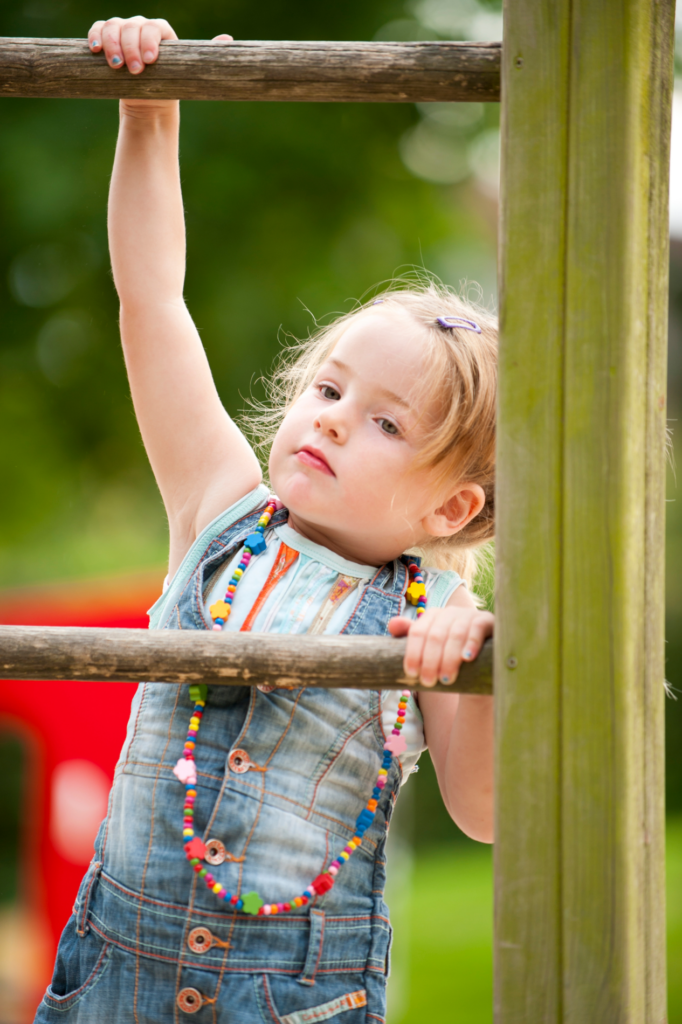
Now you stand back. They climb a couple rungs by themselves. And yes — they might fall. But the stakes are low. A two‑foot fall isn’t catastrophic. They’ve probably taken bigger spills.
You don’t hover. You don’t panic. You stay close enough to help, but far enough to let them try.
They learn:
- People trust me.
- I can trust myself.
- It’s okay to try scary things.
- Don’t give up.
Fast Forward: Reaching the First Bar
They’re ready for the top rung. You celebrate, then move closer — just as you did when they were learning to climb the ladder. They reach for the first bar. You’re right there, ready to catch them if they fall.
Maybe they want to reach the next bar. Maybe you end up carrying most of their weight across the whole thing.
That’s not failure. That’s partnership.
They learn:
- Mini‑goals matter.
- People support me even when I’m clumsy.
- I don’t have to do everything alone.
Fast Forward: Learning to Swing
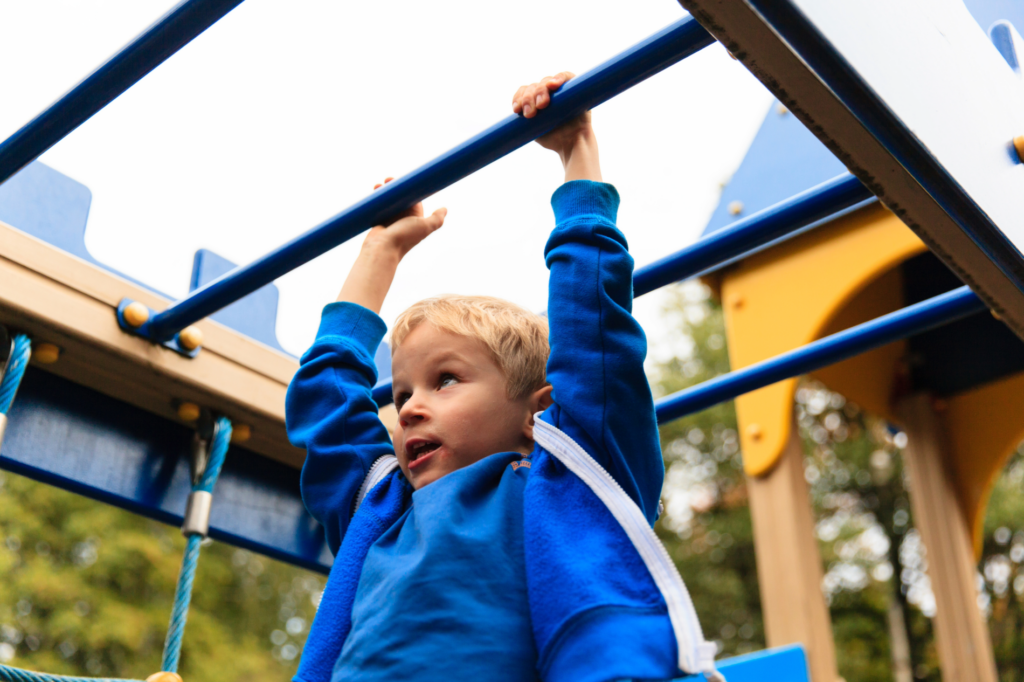
Now they can hold their own weight. You stay nearby, but let them try it by themself. They start figuring out how to shift their body, how to build momentum, how to coordinate the swing.
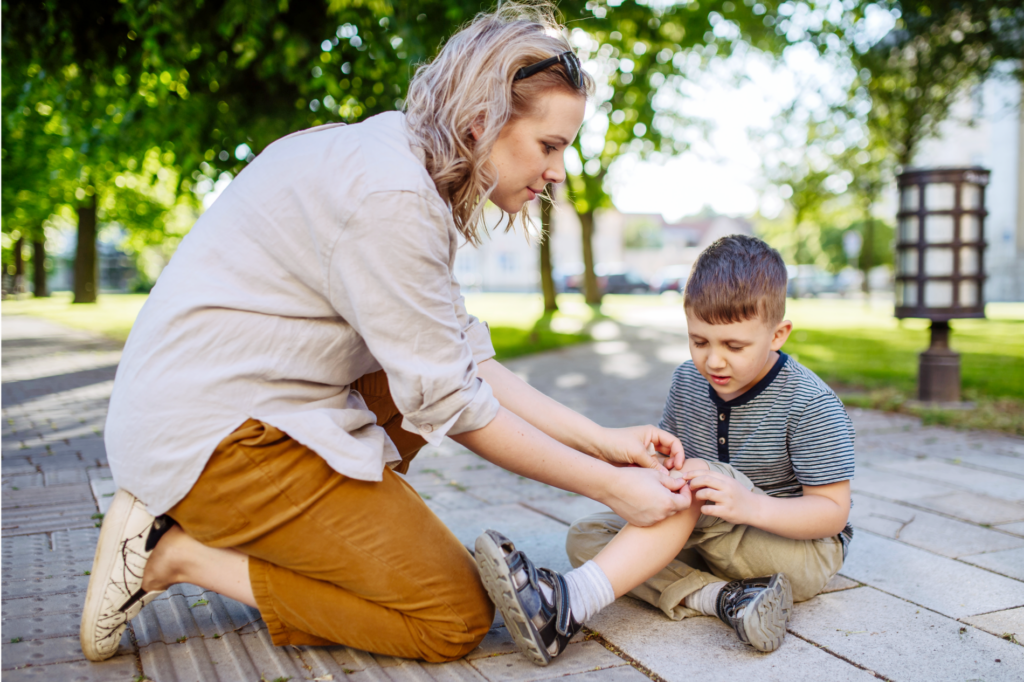
And then — they fall.
You were a step too far away to catch them. They hit the ground. They cry. You swoop in, assess the damage, wipe the scrapes, hug them tight.
Then you help them get right back up.
And they try again.
And again.
And again.
They learn:
- Falling isn’t failure.
- It’s okay to start over and try again.
- People help me when I fall.
- I can do hard things.
Fast Forward: They Make It Across
One rung at a time, they get stronger. More coordinated. More confident. Less afraid.
And one day — they make it all the way across by themselves.
They did it!
Clumsy, imperfect, determined.
With your support, your presence, your encouragement — they reached their goal.
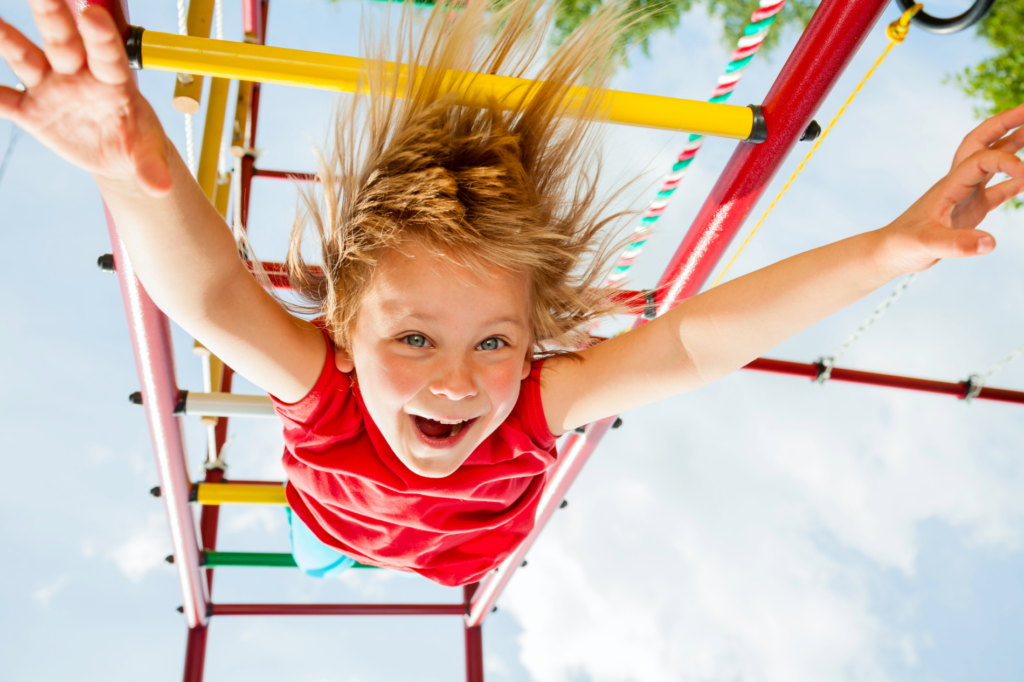
Kids need to fall off the monkey bars.
And parents need to let them.
Because that’s how kids learn:
- Courage
- Asking for help
- Trust
- Goal-setting
- How to fail
- Persistence
- Resilience
- Self-confidence
Confident, competent adults aren’t built by preventing the fall.
They’re built by learning how to get back up.
Other posts related to this post that may interest you:
Human Development: The Life of a Burrito
Intergenerational Patterns: The Things We Say to Our Children Become Their Inner Voice
Attachment Breakdown: Why Our Relationships Are the Way They Are
Looking or parenting counseling or parent education? Click here.