If you do a simple Google search for the most common sources of psychological trauma, you’ll see the same list over and over:
- Physical abuse
- Emotional abuse
- Childhood neglect
- Childhood sexual abuse
- Sexual assault and rape
- Domestic violence
- Criminal violence
- Car accidents
- Traumatic grief
- Natural disasters
- Terrorism
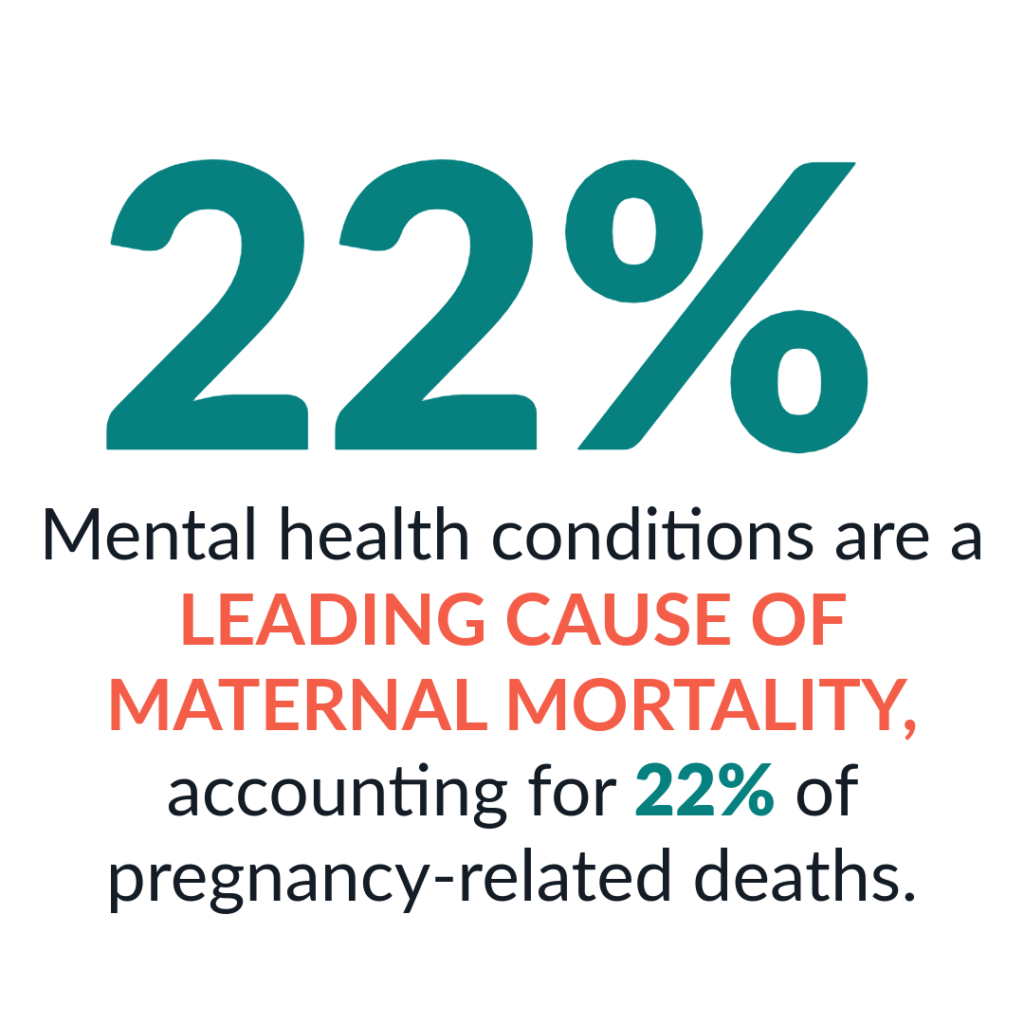
But you know what’s not on that list?
Childbirth trauma.
And yet:
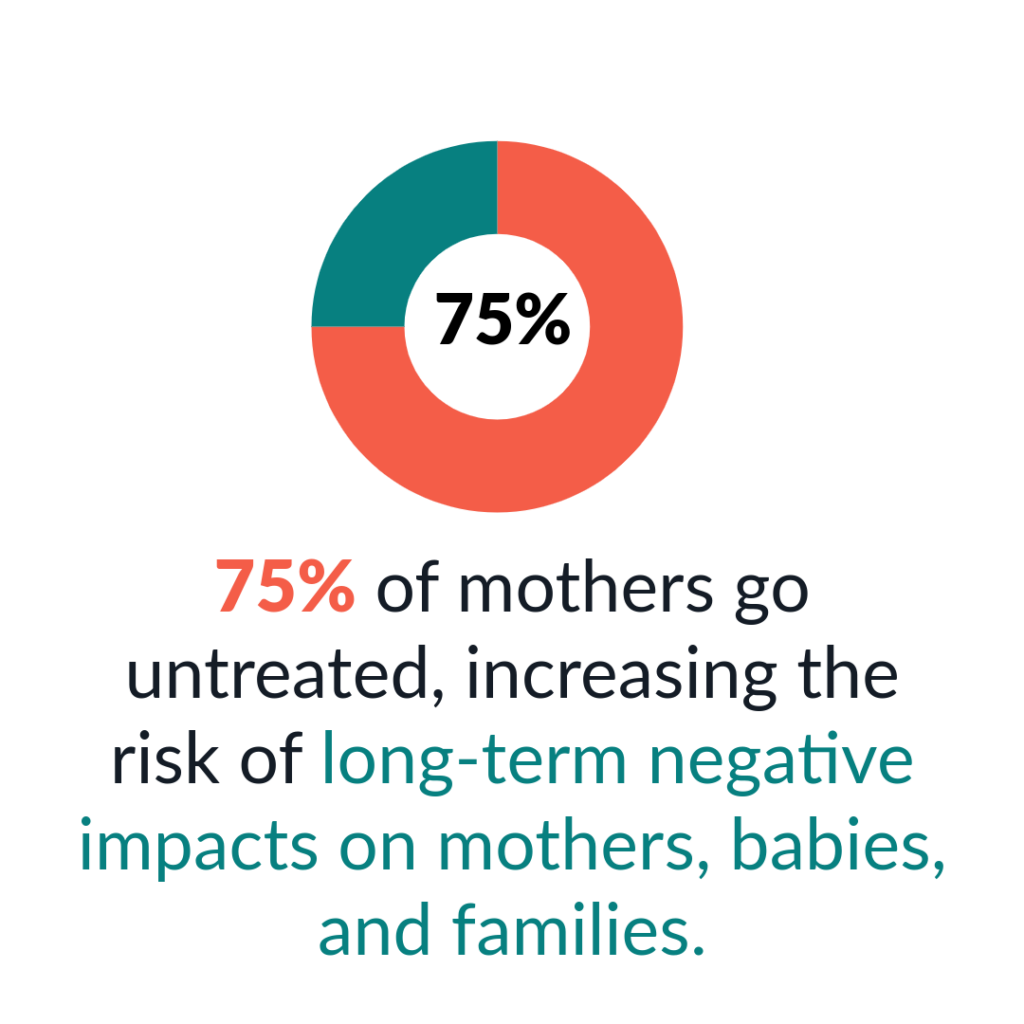
- 1 in 3 women describe their birth as traumatic
- 1 in 5 report mistreatment during childbirth
That makes birth trauma more common than:
- childhood physical abuse
- childhood sexual abuse
- childhood neglect
- adult sexual assault
- gun violence
More common — and still not even on the list.
Childbirth trauma remains one of the least recognized forms of trauma, affecting 800,000 families every single year.
And because it’s not named, it’s not validated.
And because it’s not validated, women suffer in silence.
Trauma Is in the Eye of the Beholder
Giving birth is one of the most vulnerable and overwhelming experiences in a woman’s life — physically, emotionally, and neurologically. Childbirth trauma doesn’t always look like a dramatic emergency. In fact, it usually doesn’t. It doesn’t even require that something “went wrong” medically.
Trauma is defined by the person who lived it — not by the medical chart.
If you read my PTSD Breakdown posts, you know that trauma occurs when the amygdala senses danger and sounds the fight, flight, or freeze alarm. The prefrontal cortex goes offline, and the hippocampus and hypothalamus struggle to process the event in real time.
Whether or not her birth was traumatic is determined by her nervous system response, not by the staff’s interpretation of events.
Two women can have the exact same birth on paper and have completely different emotional realities. One woman may describe her experience as relieving, empowering, or even beautiful. Another may leave the very same scenario feeling terrified, violated, or emotionally shattered.
The difference isn’t about strength or resilience — it’s about how each woman’s nervous system interpreted what was happening in the moment.
For example, a cesarean birth can be:
- a lifesaving relief
- a devastating loss of control
- a neutral medical event
- or a trigger for panic, dissociation, or flashbacks
Same procedure.
Different experiences of control, communication, and consent
Different nervous system responses
As a childbirth doula, I saw this over and over again. Births that looked “routine” to the staff were sometimes the ones that left the deepest emotional wounds.
And it doesn’t disappear just because the baby is healthy.
Is It Postpartum Depression… or PTSD?
Many people (even some therapists) assume that if a mother is struggling after birth, it must be postpartum depression. And sometimes it is. But for a lot of women, what they’re experiencing isn’t the “baby blues” or depression — it’s trauma.
Birth trauma and postpartum depression can look similar on the surface, but underneath, they come from very different places.
Postpartum depression is rooted in hormonal shifts, sleep deprivation, and the enormous psychological adjustment of becoming a mother.
Birth‑related PTSD, on the other hand, is rooted in a frightening or overwhelming birth experience that the nervous system has not yet been able to process.
And here’s where it gets confusing:
The symptoms overlap. A lot.
A woman with birth trauma may feel:
- numb or disconnected
- tearful or overwhelmed by crying
- unable to sleep even when the baby sleeps
- irritable or on edge
- guilty for not feeling “bonded”
- like she’s failing or “not herself”
Sounds like Postpartum Depression, right?
Maybe not.
With birth trauma, the underlying issue isn’t sadness.
It’s hyperarousal, intrusion, and avoidance — the classic hallmarks of PTSD.
Women with birth‑related PTSD often describe:
- intrusive memories or nightmares of the birth
- panic when something reminds them of the birth
- avoiding the hospital, OB office, or anything related to birth
- feeling “frozen” or dissociated
- sudden waves of fear or dread
- a startle response that feels out of proportion
- feeling unsafe even when nothing is wrong
- fear that something terrible will happen to the baby
These aren’t signs of depression. They’re signs of a nervous system that is still stuck in fight, flight, or freeze mode.
Depression is often about helplessness and hopelessness.
And helplessness is one of the core experiences of trauma.
So when a woman feels helpless after birth, it may not be a “mood disorder” at all — it may be her nervous system recalling the helplessness she felt during the traumatic moments of labor or delivery.
It’s not current helplessness.
It’s remembered helplessness.
And here’s the thing…
You can have both.
Birth trauma increases the risk of postpartum depression and anxiety — not because she’s a “bad mom,” but because trauma disrupts sleep, hormones, bonding, and the ability to regulate emotions. When the nervous system is overwhelmed, everything becomes harder:
- feeding
- soothing
- sleeping
- connecting
- trusting your instincts
- feeling like yourself
This is why so many women assume they have PPD, when what they are actually experiencing is an unrecognized trauma response.
And when trauma goes unrecognized, it goes untreated.
What About Dad?
Quick note: For ease and clarity, this section is written using heteronormative terminology. But partner experiences during birth are not limited to gender roles.
When we talk about birth trauma, the focus is usually on the mother — and for good reason. She is the one who just grew and birthed a whole human.
But partners can experience birth trauma too.
Many partners witness the birth feeling helpless, terrified, or completely out of control. They may watch the person they love in pain, and feel unable to protect her or stop what’s happening. They may hear medical urgency they don’t fully understand, or see interventions unfold faster than they can process. They may be told to “stand back,” “stay out of the way,” or “just let us work,” while their own nervous system is firing in panic.
And afterward, they often don’t know where to put those feelings.
And here’s something I saw over and over again in postpartum visits with my doula clients:
Mom and dad often remember and experience the birth completely differently.
I’ve seen dads who were beaming — proud, amazed, in awe of what their partner just did — while the mother sat there quietly, still shaken, still trying to make sense of what happened to her.
And I’ve seen the opposite: mothers who felt strong, powerful, and deeply connected to their body, while the dad felt stunned, powerless, helpless, and traumatized .
So who’s “right?”
Both.
Because trauma is in the eye of the beholder.
Partners are rarely asked how they are doing. Why? Because there is a social hierarchy at play after a baby is born.
#1: The baby.
Everyone wants to see the baby. Hold the baby. Smell the baby. Take pictures of the baby. The baby is the center of gravity — cute, cuddly, sweet, and endlessly celebrated.
#2: The mother.
People ask if she’s breastfeeding, if she’s sleeping, if she’s recovering. They comment on how tired she must be, how strong she was, how she’s “doing such a great job.”
And dad?
He’s not even on the radar.
Not because people don’t care — but because culturally, we don’t think of partners as having an emotional experience of the birth — other than being a proud father. We assume they’re fine. We assume they’re steady. We assume they’re the support person, not someone who might need support themselves.
As taboo as it can be for a mother to share her emotional pain, partners have even less space to talk about theirs. They don’t want to “take away” from the mother’s experience. They don’t want to admit they’re shaken when their role is to be the strong one.
So they stay quiet.
But their silence doesn’t mean they’re unaffected.
So while everyone is focused on an adorable baby, a traumatic birth can affect the whole family system. And it may or may not be the mother who’s struggling.
While “Postpartum Depression” is a diagnosis reserved for postpartum women, partners can meet all of the diagnostic criteria — except for the part where they didn’t physically give birth.
Partners deserve to be seen and supported too. So even though it’s technically not a clinical diagnosis, I’m going to name it:
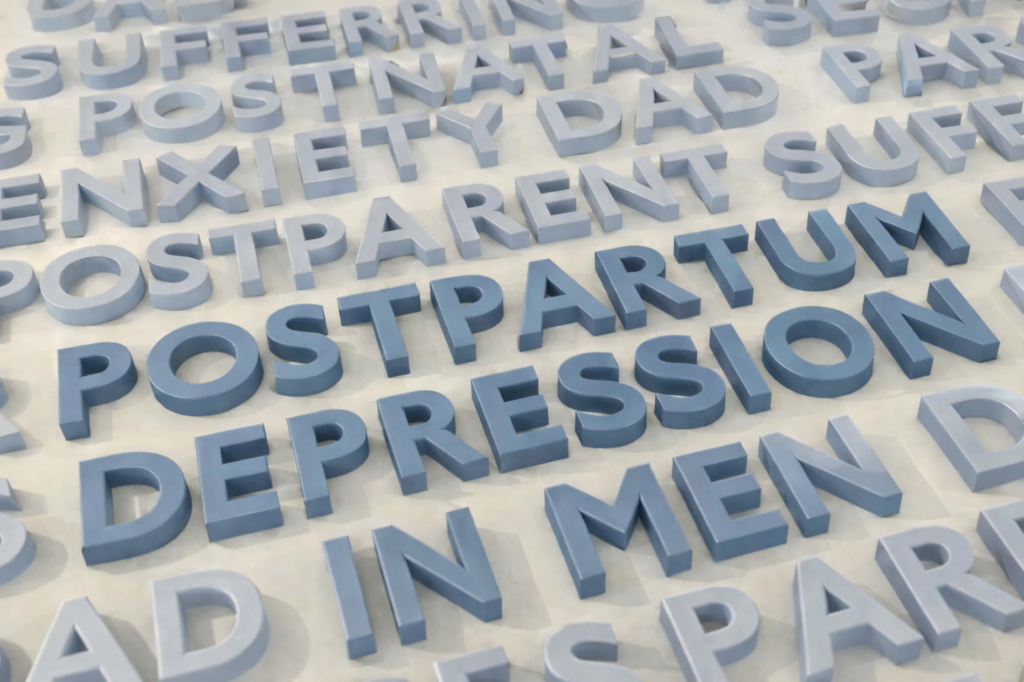
Partners can have postpartum depression and birth trauma too.
PPD isn’t a “mom problem.” It’s a family experience — and everyone deserves care.
A Resources for Support:
If you’re struggling with your birth experience — or supporting someone who is — the International Cesarean Awareness Network (ICAN) is a supportive, compassionate community available for women processing difficult or traumatic birth experiences. For many women, ICAN is the first place they feel truly heard.
If you are trying to support someone who is struggling after giving birth: Supporting a Mother After a Traumatic Birth