John Bowlby once wrote,
“All of us, from cradle to grave, are happiest when life is organized as a series of excursions, long or short, from the secure base provided by our attachment figures.”
Personal opinion — I think John Bowlby’s Attachment Theory is a hundred times more profound than anything Freud, or anyone else, ever came up with.
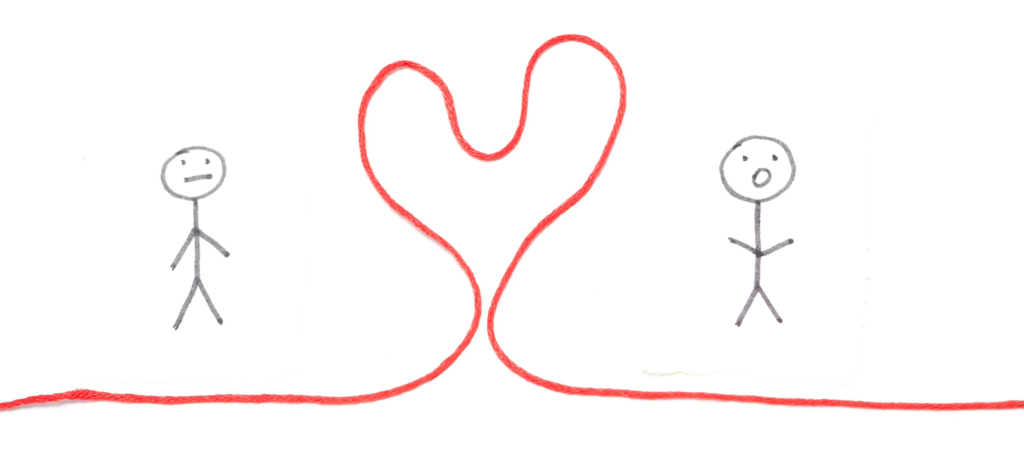
Attachment impacts every experience we have, from our first breath to our last, and every breath in between. It is the thread that runs through everything — parenting, relationships, trauma, healing, all of it.
Much of my work with clients comes down to two basic concepts: The neurology of trauma, and attachment.
Attachment is Primal
Attachment is based on a biological survival system. Human infants are born completely dependent on their caregivers.
They cannot feed themselves.
They cannot regulate their nervous system.
They cannot protect themselves.
Their only way they can survive is through connection.
Without the ability to speak, newborns use crying, rooting, clinging, and gazing to connect with their caregivers. They aren’t “behaviors.” These built-in systems are evolutionary primal instincts used to survive the most vulnerable stage of life.
A baby activates their built-in alarm system (crying)
The caregiver responds
The baby’s nervous system settles
The baby feels safe
(Repeat again when hungry, wet, hot, cold, lonely, or overwhelmed — and every 30 minutes between the hours of 1am–4am.)
This cycle of distress → response → relief is the foundation of attachment. It’s how the nervous system learns, “I am safe. Someone comes when I need them.”
Everything else builds from here.
Love & Safety — Our First Life Lessons
Most of the attachment blueprint is laid down in the first two years. Not because parents need to be perfect — but because repeated patterns teach the nervous system what to expect.
When caregivers respond consistently, babies learn:
- The world is predictable.
- People can be trusted.
- Their needs matter.
Over time, these early experiences shape the “rules” the nervous system uses to navigate relationships. We call these patterns attachment styles.
Let’s break them down.
Secure Attachment
“Closeness is safe. Independence is possible.”
This belief forms when a child grows up with caregivers who are:
- generally warm
- emotionally available
- predictable enough to trust
- responsive most of the time (not perfectly — just consistently enough)
- “When I reach, someone reaches back.”
- “I can explore because I know you’ll be there when I return.”
- “My feelings are safe with you.”
Secure attachment grows out of good-enough caregiving — not flawless caregiving. (In fact, mistakes need to happen to have emotionally healthy kids – but that’s another post.)
Anxious‑Ambivalent Attachment
“Connection is unpredictable. I have to stay on high alert.”
This belief forms when caregiving is:
- inconsistent
- sometimes attuned, sometimes distracted
- emotionally present one moment and unavailable the next
- unpredictable in timing, tone, or response
The child learns:
- “I never know which version of you I’m going to get.”
- “If I don’t cling, I might lose you.”
- “I have to work hard to keep you close.”
Their nervous system stays activated because connection feels unstable.
Anxious‑Avoidant Attachment
“Expressing needs doesn’t work. Better to shut them down.”
This belief forms when caregivers are:
- emotionally distant
- dismissive of their feelings
- uncomfortable with closeness
- focused on independence over connection
- more responsive to “good behavior” than emotional needs
The child learns:
- “Needing you pushes you away.”
- “My feelings are too much.”
- “It’s safer not to need anyone.”
So they turn down their emotional volume to protect the relationship — or themselves.
Disorganized Attachment
“The person I need is also the person I fear. Nothing feels safe.”
This belief forms when caregiving is:
- frightening
- chaotic
- aggressive, volatile, or unpredictable
- emotionally or physically unsafe
- marked by trauma, substance abuse, or unresolved caregiver fear
The child learns:
- “I need you to survive.”
- “But you’re also the source of danger.”
- “My body doesn’t know whether to run toward you or away from you.”
This creates a push‑pull pattern because the nervous system has no coherent map for safety.
The Lifelong Impact of Attachment
These early patterns don’t stay frozen in infancy. Once the blueprint is in place, it shows up everywhere — in toddlerhood, in childhood friendships, in teenage independence, in adult relationships, and especially in parenting. Same wiring. Different stages. Different expressions.
Let’s take a look at what each attachment style looks like in toddlerhood, childhood, adolescence, and adult relationships.
Secure Attachment
Toddlerhood
A securely attached toddler cries when you leave, but trusts you’ll come back.
They explore, check in, wander off, return for a quick refill of safety, then go again.
Childhood
Secure kids believe adults are generally safe and predictable.
They ask for help without shame.
They try new things because they expect support and encouragement, not criticism.
Adolescence
Secure teens push for independence without torching the parent-teen relationship.
They test limits, argue, roll their eyes — and still come back.
Closeness doesn’t feel dangerous, so they don’t need to run from it.
Adult Relationships & Parenting
Secure adults can be close without losing themselves.
They communicate needs.
They repair after conflict.
As parents, they offer warmth and structure — and they don’t crumble when they mess up, because they can accept imperfection and trust that repair is possible.
Anxious‑Ambivalent Attachment
Toddlerhood
Anxious toddlers cling hard at drop‑off.
Even when the parent returns, they may struggle to settle.
Their nervous system is stuck in “What if you don’t come back?”
Childhood
These kids need near constant reassurance.
They worry about being forgotten, replaced, or left out.
They read tone shifts like a weather radar, scanning for signs of disconnection.
Everything gets louder.
Big emotions.
Fear of being left behind socially.
Silence feels like rejection.
Space feels like abandonment.
Independence feels threatening, not freeing.
Adult Relationships & Parenting
Anxious adults often overthink, overanalyze, and over‑attach.
They chase closeness because distance feels like danger.
As parents, they may be over-protective or worry constantly about “messing up” the connection — because their internal world is organized around the fear of losing it.
Anxious‑Avoidant Attachment
Toddlerhood
Avoidant toddlers look “easy.”
They don’t cry much at separation.
They seem independent.
But physiologically, their stress is high — they’ve just learned not to show it.
Childhood
These kids prefer to do everything alone.
They minimize their feelings.
They avoid asking for help.
Adults often call them “mature,” but it’s emotional self‑protection, not maturity.
Adolescence
Avoidant teens keep friendships surface‑level.
They shut down during conflict.
They may seem unbothered, but it’s safety-through-distance, not calm.
Independence comes easily because closeness feels uncomfortable.
Adult Relationships & Parenting
Avoidant adults value independence to the point of isolation.
Intimacy feels overwhelming.
They may dismiss their own needs — and everyone else’s.
As parents, the emotional parent-child closeness that comes with new parenthood can feel foreign, so they may unintentionally repeat the pattern of distance.
Disorganized Attachment
Toddlerhood
Disorganized toddlers show contradictory behavior.
They run toward the caregiver, then freeze.
They seek comfort, then push away.
Their nervous system is stuck between “I need you” and “I’m afraid of you.”
Childhood
These kids can be emotionally unpredictable.
Hyper‑independent one moment, terrified of separation the next.
They struggle with trust because the person who was supposed to be safe was also frightening or inconsistent.
Adolescence
Push‑pull dynamics show up everywhere.
They crave closeness but panic when they get it.
Identity, boundaries, and emotional regulation are harder because their early map for safety was chaotic.
Adult Relationships & Parenting
Disorganized adults may swing between clinging and distancing.
Relationships feel unstable because connection feels both necessary and dangerous.
Parenting can feel overwhelming — not because they don’t love their child, but because they never had a clear model of what safe connection looks like.
Broken Forever? (Spoiler: No.)
It is rare for someone to make it all the way to adulthood without some bumps and bruises to their attachment style. No parent is perfect (and that’s a good thing – but that’s another post).
Humans are profoundly capable of healing, rewiring, and forming secure bonds later in life. New relationships, therapy, safe friendships, and emotionally attuned partners all have the power to reshape attachment patterns. The brain remains plastic. The body remains responsive to safety. Repair is always possible.
- safe friendships
- emotionally attuned partners
- therapy
- consistent relationships
- repair after rupture
- experiences of being seen, soothed, and supported
While early attachment wiring is laid down in the first two years, it isn’t frozen in time. Attachment evolves across childhood, adolescence, and adulthood through our lived experiences — both nurturing and painful.
A child who grew up in a generally safe family environment can become fearful in relationships after being in an abusive relationship.
A child who grew up in an abusive household can experience tremendous recovery when a partner shows up for them in ways their parents didn’t.
I’ve worked with both of these types of clients.
Cradle to Grave
Attachment is the foundation. It’s the secure base from which every “excursion” — emotional, developmental, relational — becomes possible. When children know they can return to safety, they become braver explorers. When adults know they can return to safety, they become more open, more resilient, and more connected.
Bowlby is better than Freud.
I said what I said.