Trauma Therapy Specialist for Adults & Adolescents - Charlotte, NC

Offering EMDR and other evidence-based approaches for treating trauma (PTSD)

Healing from Trauma

Building resilience through connection

Trauma counseling for adults and adolescents in the Charlotte area, with a special focus on childbirth trauma and relational trauma.

Trauma have a profound impact on nearly every aspect of your life – relationships, work, school, and of course, your mental health. Unresolved trauma can even impact your physical health! Many times, the symptoms aren’t so obvious, causing many people to struggle with depression, anxiety, or low self-esteem for many years before realizing that many of their difficulties are rooted traumatic experiences they had many years ago, or thought they had moved on from. 

Common Symptoms of
Post-traumatic Stress Disorder (PTSD)

Person sitting with knees pulled close illustrating emotional distress related to trauma

Emotional

Depression
Anxiety or Panic attacks
Irritability or mood swings
Feelings of guilt or shame
Feeling numb or disconnected

Person sitting by a window holding their head illustrating cognitive strain related to trauma

Cognitive

Intrusive memories
Flashbacks
Nightmares
Ruminating or looping thoughts
Memory gaps

Person looking overwhelmed in front of a laptop illustrating behavioral changes related to trauma

Behavioral

Withdrawal
Self-destructive behaviors
Procrastination
Difficulty Concentrating
Hypervigilance (feeling on edge)

Person holding their stomach in discomfort illustrating physical symptoms related to trauma

Physical

Fatigue or chronic tiredness
Digestive issues
Rapid heartbeat
Sleep issues
Headaches

How trauma shows up in your daily life

Trauma doesn’t just live in the past — it often shows up in the present in ways that can feel confusing or overwhelming. You might notice yourself feeling disconnected from others, struggling to trust, or feeling “different” from the people around you. Many people describe feeling stuck, numb, or unsure why certain situations trigger such strong reactions.
These experiences can affect your relationships, your work, your ability to focus, and even your sense of who you are. You may find yourself withdrawing, feeling on edge, or having trouble relaxing, even when nothing “bad” is happening. Over time, these patterns can make everyday life feel harder than it should be.
If any of this sounds familiar, you’re not alone — and it’s not a personal failing. These are common responses to trauma, and they make sense in the context of what you’ve been through.

You’re not crazy.

Your nervous system is having a normal response to the abnormal circumstances from your past.

Trauma-Related
Mental Health Conditions

Trauma it's always recognized as trauma. Many people come to therapy because they’re struggling with anxiety, depression, or relationship issues — and only later realize that unresolved trauma is at the root. These are just a few of the mental health conditions that can be trauma-related:

Trauma is real. It’s okay to name it.

Icon representing anxiety and panic disorder counseling

Anxiety & Panic Disorders

Icon representing depression and mood disorder counseling

Depression & Mood Disorders

Icon representing eating disorder support

Eating Disorders

Icon representing personality disorder counseling

Personality Disorders

Icon representing dissociative disorder support

Dissociative Disorders

Icon representing drug and alcohol addiction

Drug & Alcohol Addiction

Icon representing the mindbody connection in traumainformed counseling

The Mind-Body Connection

Trauma doesn’t just impact your mind. It affects your body as well! Scientific research has shown that unresolved trauma has been shown to increase the likelihood of a person developing:

Icon representing trauma treatment in traumainformed counseling

How is trauma treated?

Healing trauma focuses on helping your brain and body feel safe again. Therapy gives you space to process what you’ve been through, understand your symptoms, and learn tools to regulate your nervous system. Healing isn’t about “getting over it” — it’s about feeling more grounded, connected, and in control of your life.

Trauma treatment has evolved far beyond traditional talk therapy. With what we now understand about the brain and nervous system, we know that healing often requires more than insight alone. Somatic (body-based) and neuro-biological approaches help gently rewire the brain’s trauma responses, making it possible to feel safer, calmer, and more connected in your daily life. These methods are often more effective — and more compassionate — for treating trauma and trauma-related mental health concerns. 

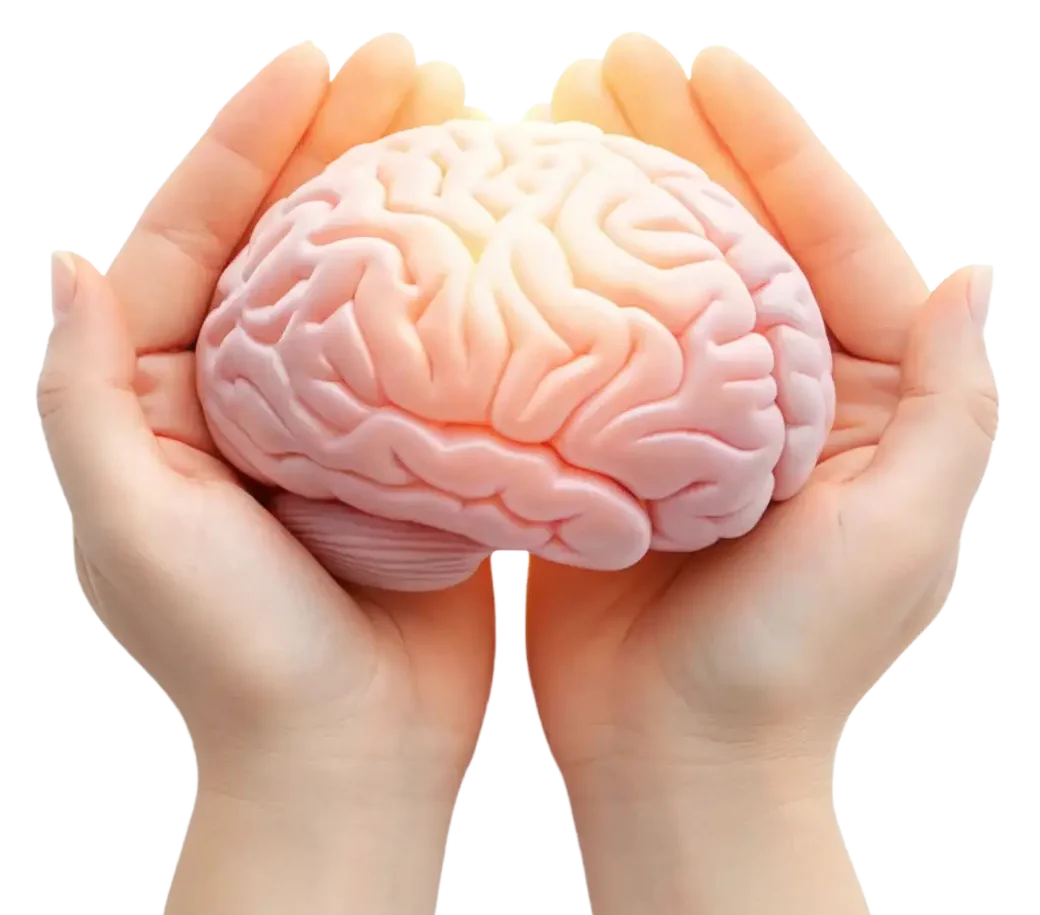
Hands gently holding a model of a brain on the Trauma Therapy page for trauma counseling in Charlotte NC

As a trauma-focused therapist, here are some of the approaches I use in my work with my clients:

Eye Movement Desensitization & Reprocessing

EMDR: A Powerful Tool for Healing

EMDR is one of the most effective, evidence-based treatments for trauma. It helps your brain process painful memories so they no longer feel overwhelming or “stuck.” Unlike traditional talk therapy, EMDR works directly with the nervous system to reduce distress without retraumatizing. Many clients experience more relief in a few sessions of EMDR than they’ve felt after years of other approaches. As a therapist who uses EMDR extensively, I continue to be amazed by the speed, depth, and gentleness of the healing it makes possible.

Clients Say

My life was a mess in every way possible. I had avoided therapy because I didn’t want to dig up all the childhood trauma. Eventually, the chaos in my life outweighed my fear of therapy. Looking back now, I can’t believe I used to feel that way every single day, even as I told myself I was “fine.” 

C. K.

Client, 2025

Two people sitting together on a couch with one offering comfort and support on the Trauma Therapy page

Loving someone with mental health struggles can be hard

Mental health issues don’t exist in isolation — they can affect partners, parents, family members, and close friends too. Even the most supportive people may feel helpless, confused, or unsure how to help.
I’m here to help you understand what your loved one is going through and learn healthy, compassionate ways to support them — without losing yourself in the process. This can include individual counseling just for you, or couples or family counseling to help you navigate their mental health challenges within the relationship.

Common Sources of Trauma

Icon representing childhood and developmental trauma

Childhood & Developmental Trauma

Trauma that happens early in life can shape how we see ourselves, others, and the world.

Icon representing relational and domestic trauma

Relational & Domestic Trauma

Trauma within relationships can be especially confusing – especially when love and harm co-exist.

Icon representing situational and systemic trauma

Situational & Systemic Trauma

Some trauma comes from events or environments that overwhelm the nervous system.

What counts as trauma?

Word cloud illustrating many types of traumatic experiences on the Trauma Therapy page for trauma counseling in Charlotte NC

Trauma isn’t defined by the event itself — it’s defined by how your nervous system responds. Trauma can come from a single incident (like an assault or accident) or from chronic experiences (like emotional neglect or bullying). Even things that seem “small” can have a big impact.


What overwhelms one person might not affect another. That doesn’t make your experience less valid. For example:

One woman may feel relieved after a cesarean birth. 

Another may feel like her body failed her. 

Both experiences are valid.

If you’re wondering whether what you went through “counts,” the answer is:

Yes.

It does.

Support is here when you’re ready.

Let’s do this together

Schedule online - Receive $20 off your first three sessions.

*Full value will be applied to your third session